Joseph Banks, Botanist of the Endeavour
The young naturalist who sailed with Captain Cook into the south seas — and who saw in every work of nature the admiration due to its Creator.
Written By
Editorial Team
“The heavens declare the glory of God; and the firmament sheweth his handywork.”
Psalm 19:1
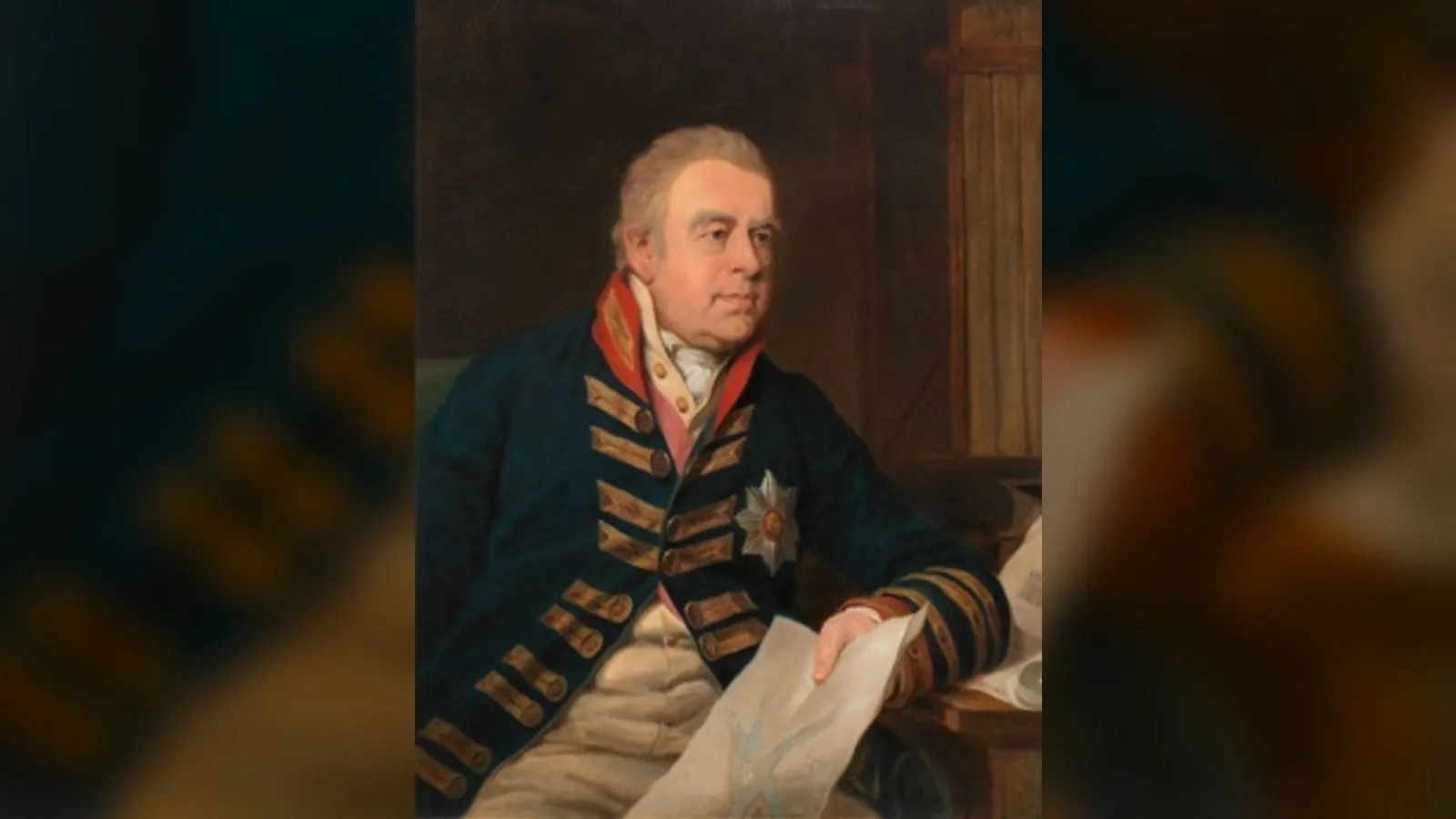
On 26 August 1768, the ship Endeavour — a converted Whitby collier, small and sturdy, 106 feet long — set sail from Plymouth, England, under the leadership of Captain James Cook. Among the crew were marines, officers and civilians, including the astronomer Charles Green. The rest were a private scientific party, of whom one was a young and brilliant amateur botanist: Joseph Banks (1743–1820).
”Any blockhead can go to Italy”
At just twenty-five years of age, upon hearing of Cook’s expedition, Banks determined to be the first botanist to sail into the south seas with him. “Any blockhead can go to Italy,” he said to a friend. He was prepared to travel to the ends of the earth to collect the flora of a new world.
Banks became a key member of Cook’s explorations. He was impressed by the country, which he described as possessing soil rich enough to support a very large population. The bird life and wildflowers fascinated him, and he collected thousands of botanical specimens. He even shot and collected a wallaby, taking it back to England to be skinned and stuffed — and then given to the famous animal painter George Stubbs to immortalise in a portrait. In all, Banks brought home some 30,000 specimens representing around 3,000 species, of which 1,600 were unknown to science.
A service in the south seas
On 14 May 1769, Banks recorded in his journal the bringing of some Tahitian people to a service conducted by Cook:
“It being Sunday, Captain Cook proposed that divine service should be celebrated, but before the time most of our Indian friends had gone home to eat. I was resolved, however, that some should be present, that they might see our behaviour, and we might if possible explain to them (in some degree at least) the reasons of it. I went, therefore, over the river, and brought back Tubourai and Tamio, and having seated them in the tent, placed myself between them. During the whole service they imitated my motions, standing, sitting, or kneeling as they saw me do; and so much understood that we were about something very serious, that they called their fellow natives without the fort to be silent.”
The glory of God in creation
Banks unashamedly declared the glory of God in creation. “Every consideration that a man made of the works of the Almighty,” he said, “increased a man’s admiration of his Creator.” He also remarked that “it was more natural, I believe, to be taught to know all those productions of nature in preference to Greek and Latin.”
In his last years Banks was crippled by gout, yet he remained — even in his wheelchair — a venerable and formidable figure, especially when presiding over the Royal Society in full court dress, wearing the Order of the Bath. He died at his house at Spring Grove, Isleworth, on 19 June 1820, and was buried in Heston Church, near Hounslow, London.
A mother’s influence
Joseph Banks owed much of his spiritual grounding to his mother, with whom he shared a strong bond. She was an intelligent, strong-willed and deeply religious woman, a member of the Moravian Church, which held to the authority of the Word of God as the basis of faith and practice. Her influence shaped his life.
What kind of influence do we have upon others — spiritual or carnal? A young man named Timothy was not only converted but went on into the ministry, and Scripture traces this back to the godly influence of his mother and grandmother.
“When I call to remembrance the unfeigned faith that is in thee, which dwelt first in thy grandmother Lois, and thy mother Eunice; and I am persuaded that in thee also.”
2 Timothy 1:5
May the Lord grant us the grace to impact the lives of others with godliness.