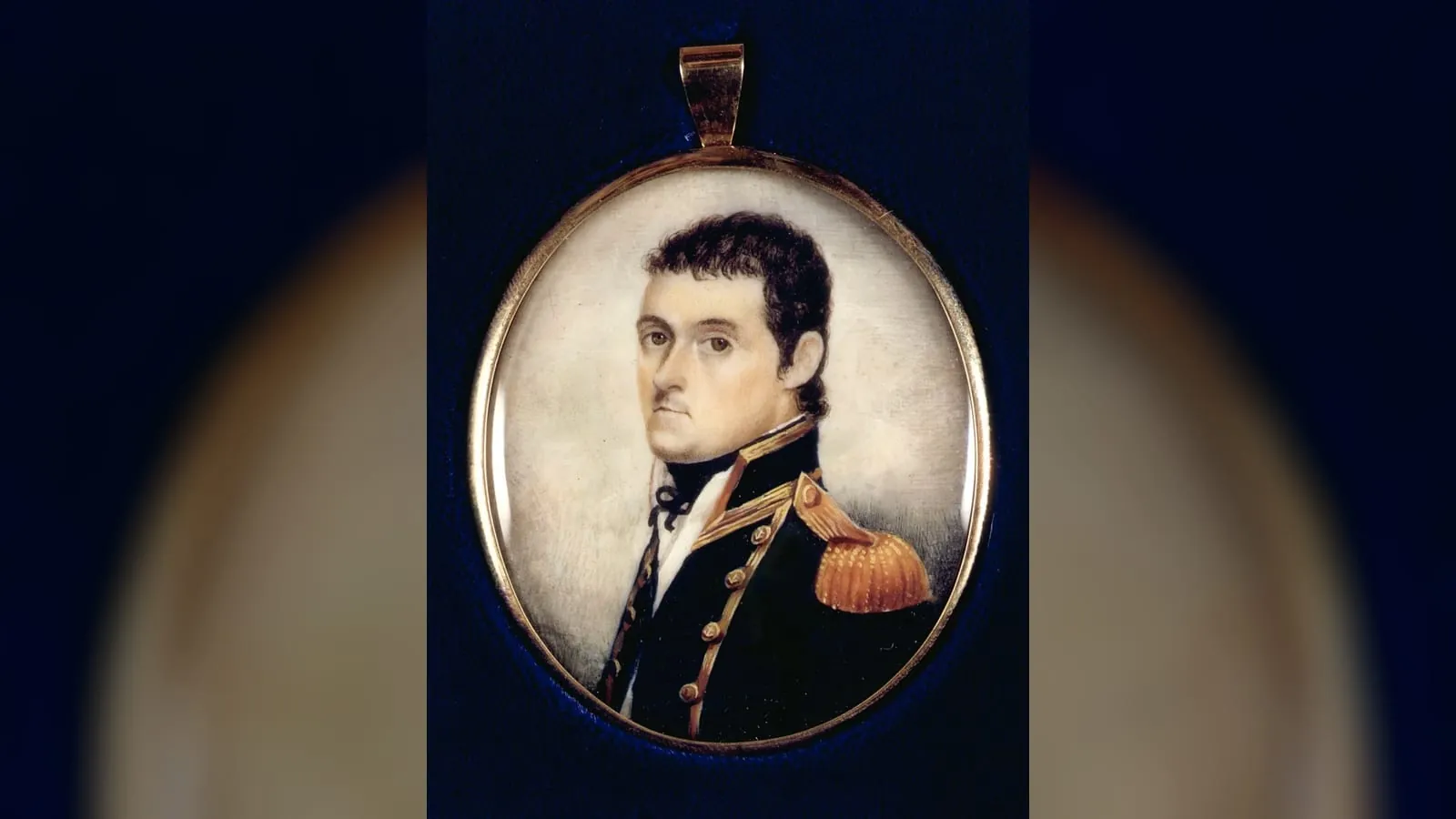
Matthew Flinders
The Man Who Mapped Australia
The stars still shine on the Lord's Day — how could we keep it better than by telling of the glory of creation?
Matthew Flinders was a navigator and explorer who sailed around Australia and confirmed it was a continent. He suggested the name “Australia,” which was officially adopted in 1824. One of the world’s most accomplished navigators, he joined the navy at the age of 16 and by 24 was one of the youngest captains in the British Royal Navy.
He was born on 16 March 1774 in Lincolnshire, England, to a family of surgeons. He married his long-standing friend Anne Chappelle on 17 April 1801, and they had one daughter, Anne, born 1 April 1812. Unfortunately, his wife was not permitted to sail with him on his great voyage.
His cat, Trim, circumnavigated Australia with him — Flinders considered Trim his most loyal companion. The Flinders Ranges in South Australia were named in his honour, and many other memorials across the country bear his name.
When questioned about sailing on the Sabbath, Flinders replied:
“The stars still shine on the Lord’s Day — how could we keep it better than by telling of the glory of creation?”
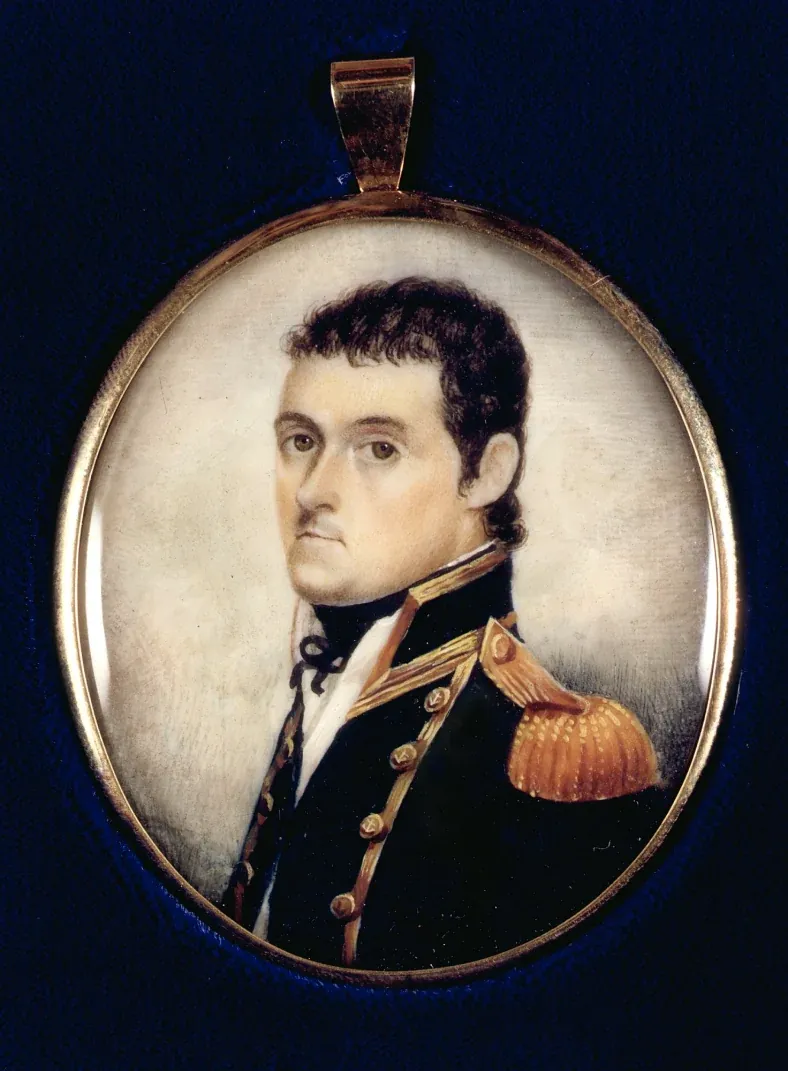
His main achievements
The British were mindful that the French were interested in New Holland. When Flinders returned to England from his first trip, Joseph Banks urged the government to complete a full coastal survey so the continent could be claimed entirely for Great Britain.
Flinders, aboard HMS Investigator, departed England on 20 February 1801 and arrived at Cape Leeuwin, Western Australia, six months later. From there he followed the coastline southward and completed his circumnavigation of the whole of Australia in June 1803. His maps were priceless, and some of the charts he produced are still used today.
His objective was to make so accurate an investigation of the shores of Terra Australis that, “with the blessing of God, nothing of importance would be left for future discoverers upon any part of these extensive coasts.”
In earlier years (1798), with George Bass — a surgeon — Flinders circumnavigated Tasmania, naming the strait between the mainland and its island “Bass Strait.” The voyage took three months and was completed in February 1799. In a 2.5-metre rowboat they also explored Botany Bay, the Georges River, and from Port Hacking down the southern coast of the Illawarra region.
Imprisonment and perseverance
After completing his circumnavigation, Flinders was imprisoned in Mauritius from December 1803 until October 1810. He had stopped there to make repairs on his ship but was held captive by the French governor, General Decaen, who suspected him of being a spy during the current French–British war. It was during this long captivity that Flinders worked on his charts and navigational papers.
Flinders lived the last four years of his life in poverty after his release in 1810. Even though he was promoted to Post Captain in the Admiralty, the navy refused to pay him adequately. He lived on half-pay with failing health, working during this time on his book, A Voyage to Terra Australis. The proofs of the two volumes, with his atlas and charts, were placed in his hands as he lay dying.
The rediscovery
Flinders died on 19 July 1814 at the age of 40. His grave was thought lost when the cemetery in which he was buried became a public park behind London’s Euston railway station. On 15 January 2019 — some 205 years after his death — a worker’s trowel struck a hard surface and revealed a lead coffin breastplate. It polished up clearly to read: “Capt Matthew Flinders RN. Died 19 July 1814. Aged 40 years.”
Conclusion
Matthew Flinders literally put Australia on the map. He left behind a legacy of maps and charts that are still valuable today — later used by inland explorers Eyre and Leichhardt. More than that, he left behind a spiritual legacy as a man known for:
- Integrity — Psalm 25:21
- Courage — Joshua 1:6
- Diligence — Proverbs 22:29
- Determination — Proverbs 24:16
- Sacrifice in duty — 2 Samuel 24:24
- Faithfulness in marriage — Ecclesiastes 9:9
Timeline of Life
- 1774Born in Lincolnshire, England, 16 March
- 1790Joins the Royal Navy at the age of 16
- 1798Circumnavigates Tasmania with George Bass, completing it February 1799
- 1801Departs England on HMS Investigator, 20 February
- 1803Completes circumnavigation of Australia, June
- 1803Imprisoned by French governor in Mauritius, December
- 1810Released from captivity after nearly seven years
- 1814Dies in London, 19 July, aged 40
More Profiles
View All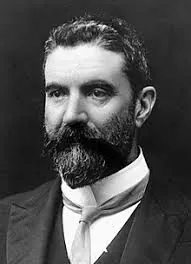
Alfred Deakin
1856–1919
A Father of Federation and Australia's second Prime Minister, Alfred Deakin was a devout Christian whose spiritual life profoundly shaped his public service and his vision for a unified Australia.
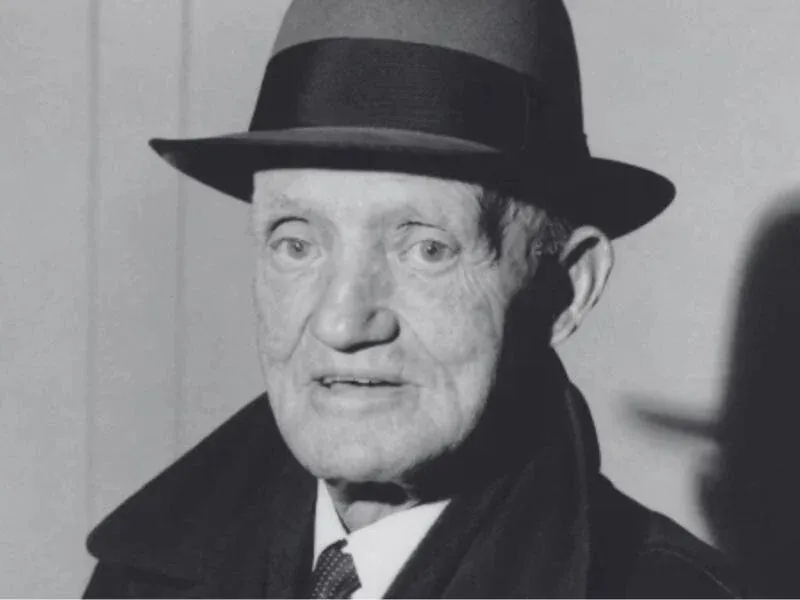
Arthur Malcolm Stace
1885–1967
Once a destitute alcoholic and petty criminal, Arthur Stace was transformed by the gospel and spent 35 years writing one word — 'Eternity' — across the pavements of Sydney, an estimated half a million times.
Frank Arthur Jenner
1903–1977
For 28 years, Frank Jenner walked the streets of Sydney asking strangers one question — and the ripples of his faithful witness spread across Australia, England, India, and beyond.