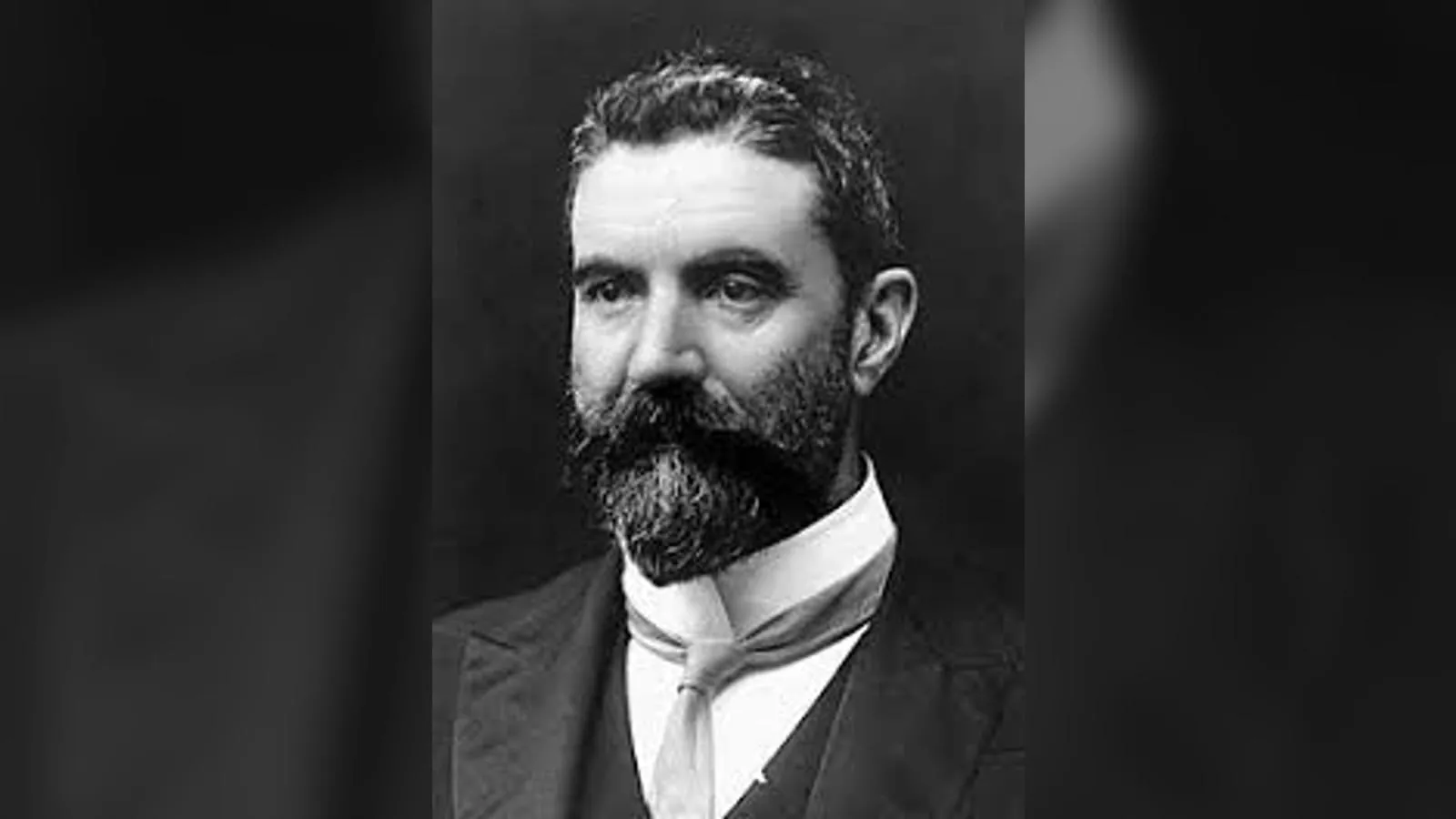
Alfred Deakin
Australia's Second Prime Minister
Jesus Christ is the life of the present, the light of the future and the hope of the world.
Alfred Deakin was born on 3 August 1856 in Fitzroy, Melbourne, the son of William and Sarah Deakin who had emigrated from England in 1851. He married Pattie (Elizabeth) Browne in 1882, describing her as “a gift from heaven.” They were blessed with three children.
He was inspired to enter politics by his Presbyterian minister, and his mother was responsible for the nurturing of his Christian faith. He attended church regularly with his parents during his childhood and served as a Sunday School teacher.
“He envisioned the future of Australia as clearly as Moses saw the Promised Land.”
Perth Newspaper, 10 October 1919
His achievements
Deakin is regarded as one of Australia’s most influential prime ministers. Edmund Barton was appointed first prime minister after Federation on 1 January 1901. Deakin became the second prime minister and was privileged to serve three non-consecutive terms altogether.
He is a Father of Federation. Sir Henry Parkes saw the future; it was Deakin who planned and implemented it. He founded the Australian Navy and established the High Court of Australia.
He played a valuable part in the construction of the Australian Constitution. The opening sentence of the preamble reads: “Whereas the people of NSW, Victoria, SA, WA, Queensland and Tasmania, humbly relying on the blessing of Almighty God, having agreed to unite in one indissoluble Federal Commonwealth…” The Australian Constitution was given Royal Assent on 9 July 1900, proclaimed on 17 September 1900, and entered into force on the Day of Federation, 1 January 1901.
Deakin’s only desire was to serve his nation without seeking titles or honours. He simply wanted to do the will of God.
“I have no special ambitions for the future and am content to take whatever place is allotted to me, however different.”
Alfred Deakin, 24 April 1904
His spirituality
Our second Prime Minister was a Bible-believing Christian. The Age newspaper said of him, “Truth and honour were his guiding stars.”
It was said of Deakin that “despite the lavish gifts of nature, his commanding appearance, and superb oratory, the man seemed haunted by intimations that this world of affairs, this world of politics was not the real world at all; that a man ought to be laying up for himself treasure in heaven” — Matthew 6:19–20.
He was a humble man who had a deep spiritual connection with the God of the Bible, which motivated him to say in 1905, “Jesus Christ is the life of the present, the light of the future and the hope of the world.”
Deakin was a close friend of William Booth, founder of the Salvation Army, who had great influence on his life. He kept a spiritual diary from 1884 to 1913 containing some 400 prayers, many relating to major decisions in his public life. The National Library in Canberra holds most of his manuscripts, including two diaries called “The Boke of Praer and Praes” — a collection of 400 prayers where he expressed his heartfelt thoughts and desires to God.
Conclusion
Alfred Deakin lived in the reality that what we see is not the real world; there is an eternal realm that we need to live in light of — Colossians 3:1–2. He was a man of God who lived in dependence upon his God. This is clear from the prayers he prayed. Alfred Deakin and the Apostle Paul had the right perspective, as recorded in 2 Corinthians 3:5.
Timeline of Life
- 1856Born in Fitzroy, Melbourne, 3 August
- 1882Marries Pattie (Elizabeth) Browne
- 1901Edmund Barton becomes first PM; Deakin serves as second PM
- 1903Serves first of three terms as Prime Minister
- 1909Final term as Prime Minister ends
- 1919Dies of heart complications, 7 October, aged 63
More Profiles
View All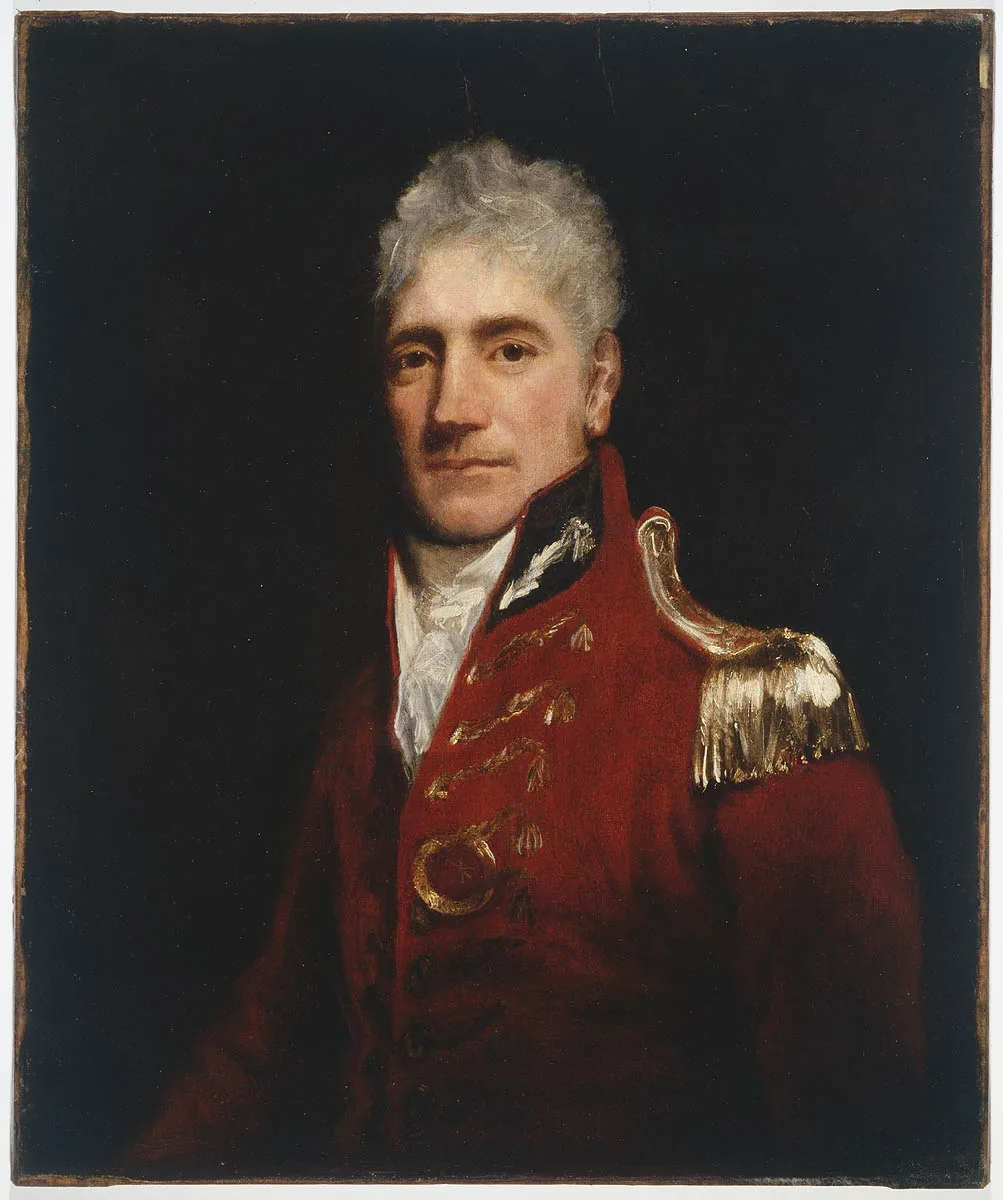
Lachlan Macquarie
1762–1824
The fifth Governor of New South Wales and a committed Christian, Lachlan Macquarie transformed the colony from a penal settlement into a young Christian nation.
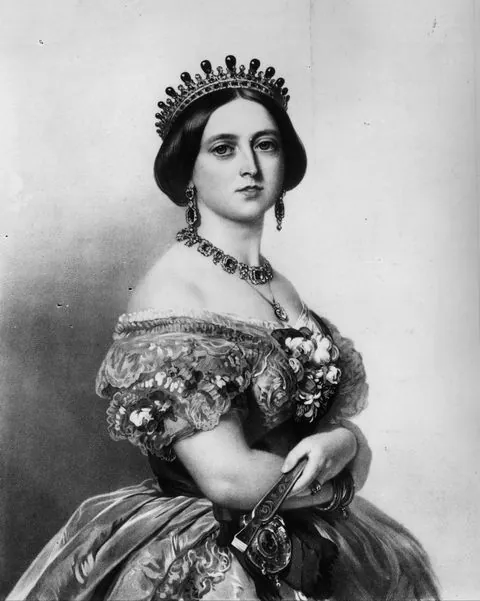
Queen Victoria
1819–1901
Queen Victoria's 63-year reign shaped an empire, but her greatest moment came when a humble evangelist's letter helped her find certainty of salvation — and she spent the rest of her life sharing it.
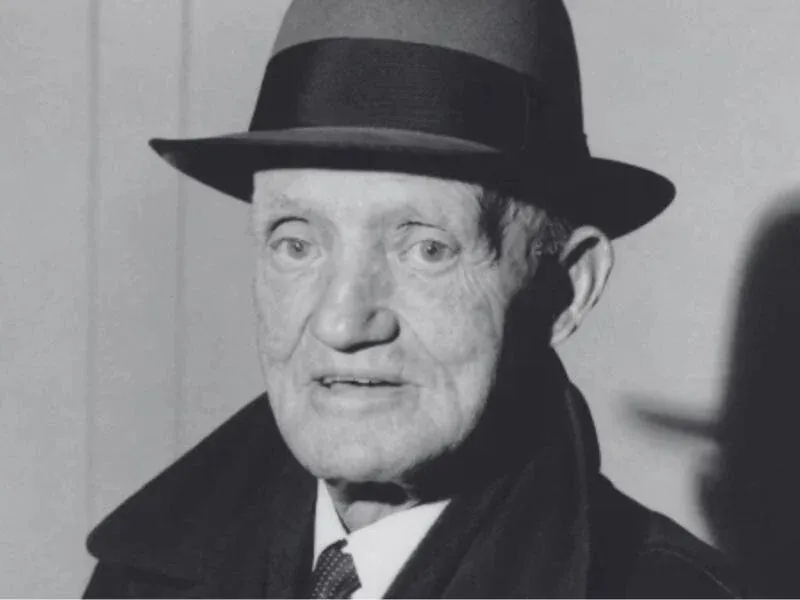
Arthur Malcolm Stace
1885–1967
Once a destitute alcoholic and petty criminal, Arthur Stace was transformed by the gospel and spent 35 years writing one word — 'Eternity' — across the pavements of Sydney, an estimated half a million times.