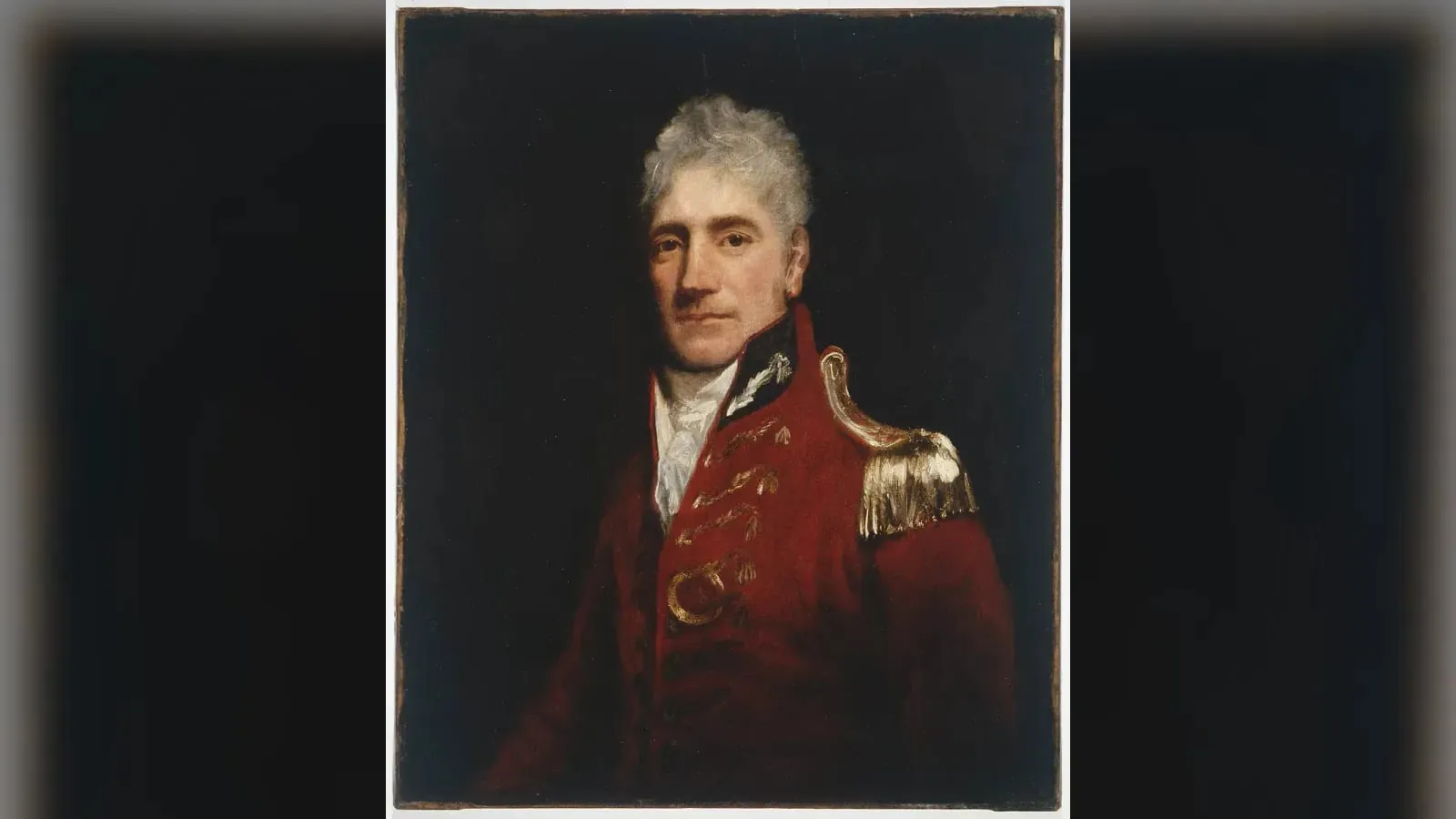
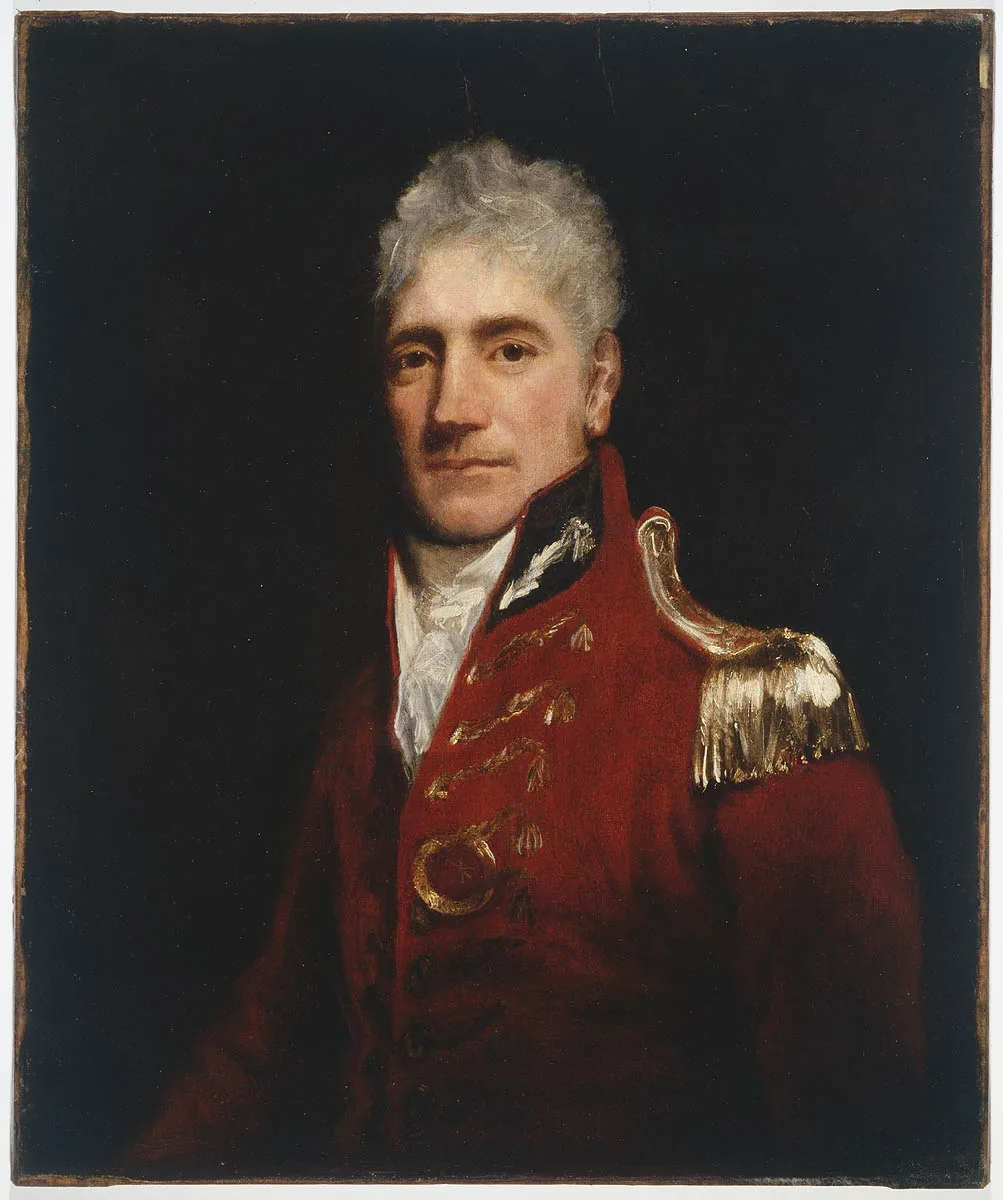
Lachlan Macquarie
The Father of Australia
I found NSW a jail and left it a colony.
Australia’s fifth governor (1810–1822), Lachlan Macquarie was a committed Christian. One of his first goals was to bring stability to the families of the new colony, for he believed the main purpose of education was to instruct young people in the principles of the Bible.
His beliefs proved correct as the morals of the colony began to improve dramatically. He issued orders that all convicts must attend divine services on Sundays, and he led by example in church attendance. He was instrumental in the founding of the Bible Society of Australia in 1817; his wife Elizabeth organised a lending library of Bibles in several languages, which now forms part of the Heritage Bible collection held by the Bible Society.
The hand of God rested on Lachlan Macquarie. He and Elizabeth were used of God to help build a young Christian nation. Upon his departure he said, “I found NSW a jail and left it a colony.”
The personal life of the governor
- Lachlan Macquarie was born, according to a note in his own handwriting in a family Bible, on 31 January 1762 on the Island of Ulva in Scotland.
- He came from a modest background; his father was a carpenter and miller. His family faced financial difficulties, and he would have had a limited education.
- At the age of 15 he joined the British Army, serving in North America and India. He rose through the ranks and eventually became a Major General.
- He married Jane Jarvis in 1793, but she died tragically young of tuberculosis in 1796. He later married Elizabeth Campbell in 1807. They had a son and a daughter, both of whom died very young.
- He arrived in Sydney on 28 December 1809 and was sworn in as governor of the colony on New Year’s Day 1810.
His main achievements as governor
He orchestrated approximately 250 buildings during his governorship — buildings of every kind: hospitals, schools, jails, churches, office buildings, orphanages, factories, stores and a post office. Many were designed by convict architect Francis Greenway. In 1810 he established the “Macquarie Towns” along the Hawkesbury River, naming them Windsor, Richmond, Castlereagh, Pitt Town and Wilberforce. The same year he founded Liverpool, and in 1815 he founded Bathurst. He had roads constructed from Sydney to Parramatta, Windsor, Richmond, Liverpool and the Blue Mountains.
He was prepared to give the “emancipist” a go by granting them the same rights as free settlers. He established the first coin currency and encouraged the establishment of savings banks in 1817 — initially known as the Bank of NSW, whose legacy continues in the Westpac Bank.
Macquarie’s poor upbringing instilled in him a strong work ethic, compassion for the under-privileged and a durable sense of resilience. People were not just a means to an end in what he wanted to achieve; he was concerned for their physical and spiritual needs.
A man of initiative
We can sum up Lachlan Macquarie with the word “Initiative” — that one thing so desperately lacking today.
- I = Interested in people (Neh 1:2): he had compassion for people, which is why he is referred to as the “Father of Australia.” Elizabeth was a loyal support in all his endeavours, taking a kindly interest in the welfare of women convicts and of the Aboriginals.
- N = Need (Neh 1:2–3): he saw the need to build proper roads and infrastructure. Lachlan and Elizabeth established “The Benevolent Society” to manage the humanitarian needs of the colony.
- I = Individual (Neh 2:2–5): he was prepared to stand alone on how the colony should be governed. His licensing regulations reduced the number of public houses in Sydney alone from 75 to 20.
- T = Task (Neh 3:1–32): he was task-oriented, re-organising the public service, setting up a government printery, post office and police force, expanding the school system and organising many building programs.
- I = Investment of his time and energies (Neh 2:5–6): he was prepared to invest whatever it took to achieve his building projects. He was heavily criticised for their cost, which led to his resignation in 1821. He left the colony on 15 August 1822 with a harbour-side send-off of cheering crowds.
- A = Attention to detail (Neh 2:12–16): he brought great stability to families within the new colony.
- T = Temperance (Neh 6:3–4): a self-disciplined man, he achieved much in twelve years. By October 1810 he claimed a “very apparent” change for the better had taken place in the “Religious Tendency and Morals” of the inhabitants.
- I = Ingenuity (Neh 13:23–26): his first project was a new hospital on Macquarie Street, known as the “Rum Hospital” because he had it built cheaply in return for the sole licence to import rum.
- V = Visionary (Neh 2:5; 6:15–16): Macquarie made it clear that he had a vision for Australia’s future.
- E = Ensample (Neh 1:4; 2:4; 4:4,9): he not only encouraged church attendance but, with his family, regularly attended services despite his demanding schedule.
Macquarie Bank, Macquarie Lighthouse, Hyde Park Barracks, St James’ Church, the Post Office, Macquarie University and Hospital, Lake Macquarie and Macquarie Street are only a few examples of the vast legacy of this man and his influence as Governor.
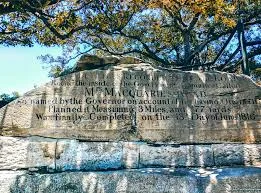
Mrs Macquarie’s Chair
Mrs Macquarie’s Chair is an exposed sandstone rock cut into the shape of a bench in Sydney Harbour. It was hand-carved by convicts in 1810 for Elizabeth Macquarie, who loved to sit there enjoying the views of the harbour and, no doubt, gave much time to prayer.
Conclusion
Macquarie left behind a legacy in what he achieved as governor of the early colony. It can be summed up in two statements — regarding his achievements, “The Father of Australia”; and regarding his character, “The Perfect Gentleman.”
“Macquarie believed wholeheartedly that the Protestant religion and British institutions were indispensable both for liberty and for a high material civilisation.”
Historian Manning Clark
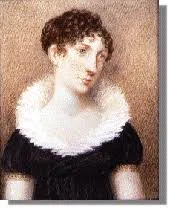
Elizabeth was a loyal support in all her husband's endeavours, taking a kindly interest in the welfare of women convicts and of the Aboriginals, and organising a lending library of Bibles that now forms part of the Bible Society's Heritage Bible collection.
Timeline of Life
- 1762Born on the Isle of Ulva, Scotland, 31 January
- 1777Joins the British Army at the age of 15
- 1807Marries Elizabeth Campbell
- 1810Sworn in as Governor of New South Wales, New Year's Day
- 1817Instrumental in founding the Bible Society of Australia
- 1822Departs the colony, 15 August
- 1824Dies, leaving a lasting legacy
More Profiles
View All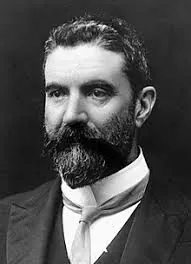
Alfred Deakin
1856–1919
A Father of Federation and Australia's second Prime Minister, Alfred Deakin was a devout Christian whose spiritual life profoundly shaped his public service and his vision for a unified Australia.
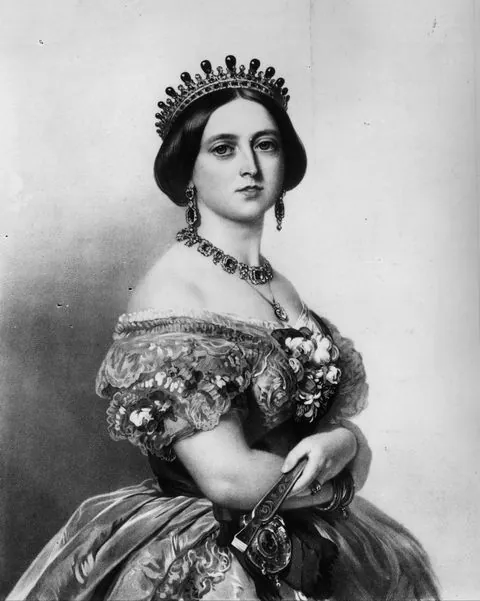
Queen Victoria
1819–1901
Queen Victoria's 63-year reign shaped an empire, but her greatest moment came when a humble evangelist's letter helped her find certainty of salvation — and she spent the rest of her life sharing it.
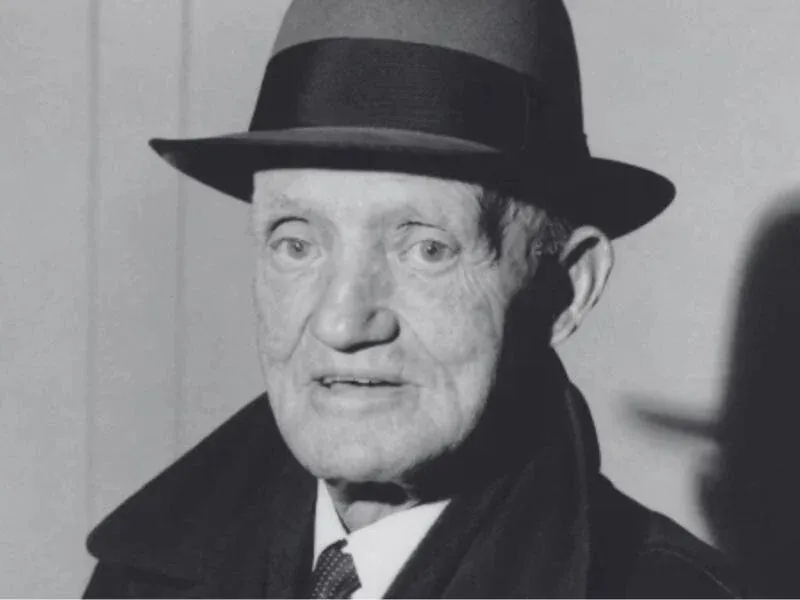
Arthur Malcolm Stace
1885–1967
Once a destitute alcoholic and petty criminal, Arthur Stace was transformed by the gospel and spent 35 years writing one word — 'Eternity' — across the pavements of Sydney, an estimated half a million times.