Our Godly Governors
From John Hunter to Richard Bourke, the early governors who steered New South Wales were men who looked to Providence.
Written By
Editorial Team
“It took many instances of God’s intervention and sustaining grace working through the lives of Johnson, Marsden, Governor Lachlan Macquarie and others to transform Australia from a penal colony to a self-governing nation.”
Elizabeth Rogers Kotlowski, author and historian
Governor John Hunter (1795–1800)
Born in Scotland in 1737, John Hunter had initially thought to enter Aberdeen University to study for the Presbyterian ministry, but chose instead to follow family tradition and entered the navy. Hunter was one of the first men to circumnavigate the world from east to west, and throughout his naval career he combined physical toughness with some of the gifts of an artist.
Australia was no stranger to the 58-year-old captain when he became our second governor after Arthur Phillip. Hunter had sailed into Port Jackson with the First Fleet in 1788, and had taken the Sirius to the Cape of Good Hope for supplies. Despite his physical strengths, Hunter was known as a man who looked to Providence as a prop and support, and who spoke of Christ as his Saviour.
The population of New South Wales when Hunter took charge was 3,211, of which 60% were convicts, and it is fair to say he did not enjoy his term, during which there was much civil unrest. Yet he remained to the end of his days a man “bred to the honourable and respectable profession of a seaman in His Majesty’s Navy,” whose code of honour led him to a country he loved passionately.
Governor Lachlan Macquarie (1810–1822)
Governor Macquarie has been referred to as the “father of Australia.” His twelve years as governor transformed the struggling penal colony into a thriving, prosperous community. By the time of his departure the population had grown from 11,000 to over 40,000, and agriculture and commerce were thriving.
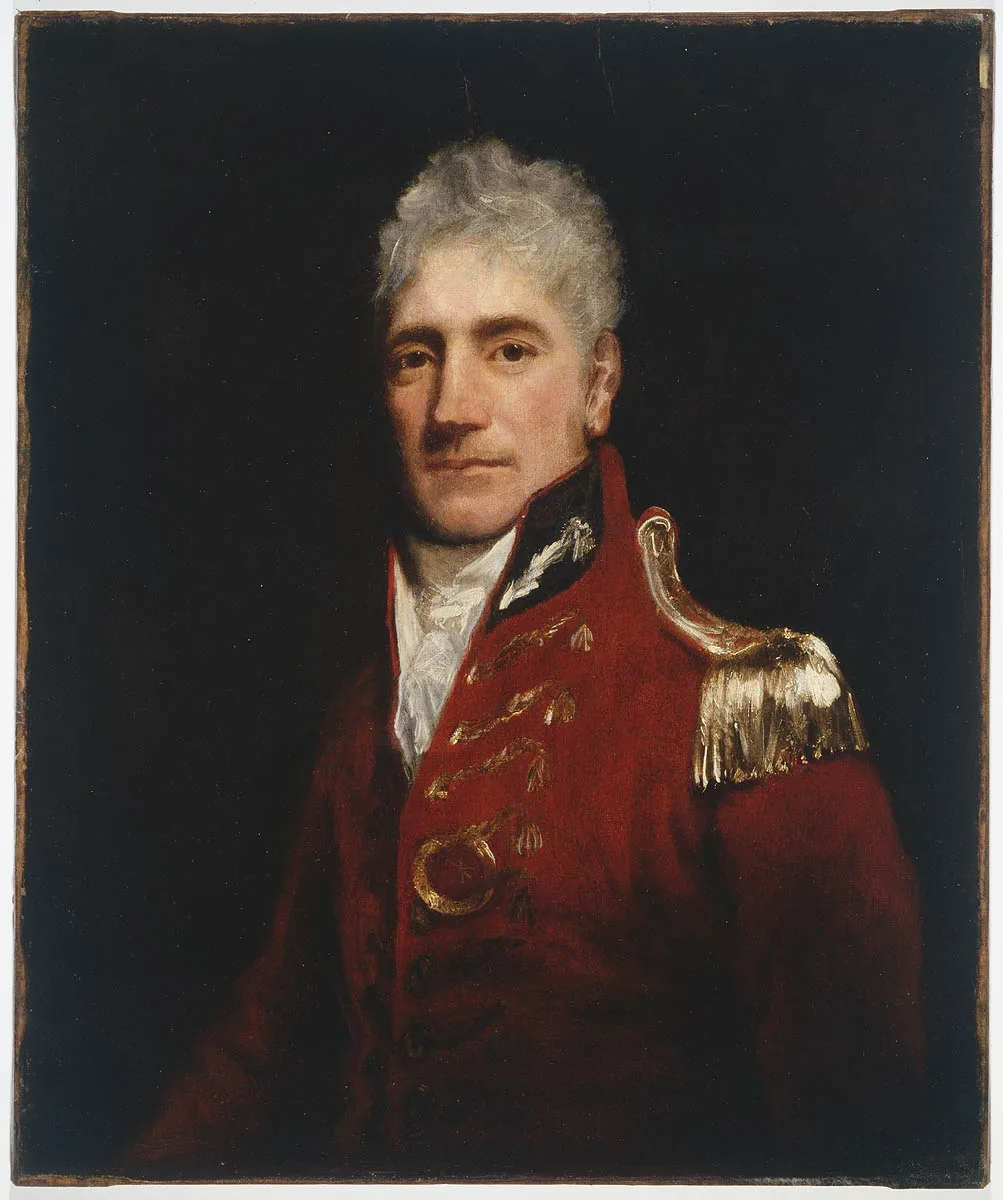
One of Macquarie’s first goals was to bring stability to the families of the colony, for he believed the main purpose of education was “to educate the young in the principles of the Bible.” His beliefs proved correct as the morals of the colony began to improve dramatically. Macquarie issued orders that all convicts must attend divine worship on Sundays, and on the first Sunday the governor attended the service himself.
Macquarie also launched two British-based Christian organisations — the British and Foreign Bible Society, and the Sunday School movement. The godly governor remained a champion of the rights of the reformed convict and the humble settler. It is obvious that God’s hand rested upon Lachlan Macquarie — He used this man to help create a dynamic, young Christian nation in an area saturated with other religions, a nation through which the Lord could launch the Gospel into Asia. Lachlan Macquarie was definitely one of God’s history makers.
Sir Thomas Brisbane (1821–1825)
Brisbane was a man’s man — a decorated former war hero who rose to the rank of general before coming to Australia, and a friend of the Duke of Wellington who had defeated Napoleon at Waterloo. A Christian, Brisbane was thrust into disputes between the Anglicans and Catholics of the colony but refused to take sides. He supported the Bible and Tract societies and helped the Anglicans establish the Church Missionary Society, which ministered mainly to the Aboriginal people.
His mind was set on the heavenly prize, and those who watched his earthly deeds described him as a Christian, a scholar and a gentleman. For Brisbane an immortal soul was the unspeakable object of value in human life. As a result, he opposed excessive corporal punishment and often gave reprieves to prisoners sentenced to death. The city of Brisbane and the Brisbane River are named in honour of this saintly leader.
Sir Richard Bourke (1831–1838)
Irish-born Sir Richard Bourke was a military man with a heart for the Lord, rising to the rank of major-general before being appointed Governor of New South Wales in 1831. He immediately suffered personal hardship with his wife dying in Parramatta just a year after his appointment. Although a controversial figure, his rule was humane and just. He had great personal charm, made warm and lasting friendships, and was totally opposed to any form of religious discrimination — a stand which set him at odds with many of his day.
A man of gentleness, charity and reverence for all men, Bourke certainly did his part to spread the Gospel in the new colony. While governor he took a trip to Melbourne — a settlement he had established on the banks of the Yarra, at the time still part of New South Wales — carrying with him a consignment of Bibles to distribute, preaching in several churches, and personally donating a considerable sum to the Bible Society. Guided by God, Bourke secured Australia’s future for the next stage of expansive growth.