Reverend William Clarke, the 'Stump Parson'
The English clergyman who became the Father of Australian Geology — and who carried the Gospel from goldfield to goldfield.
Written By
Editorial Team
“And he said unto them, Go ye into all the world, and preach the gospel to every creature.”
Mark 16:15
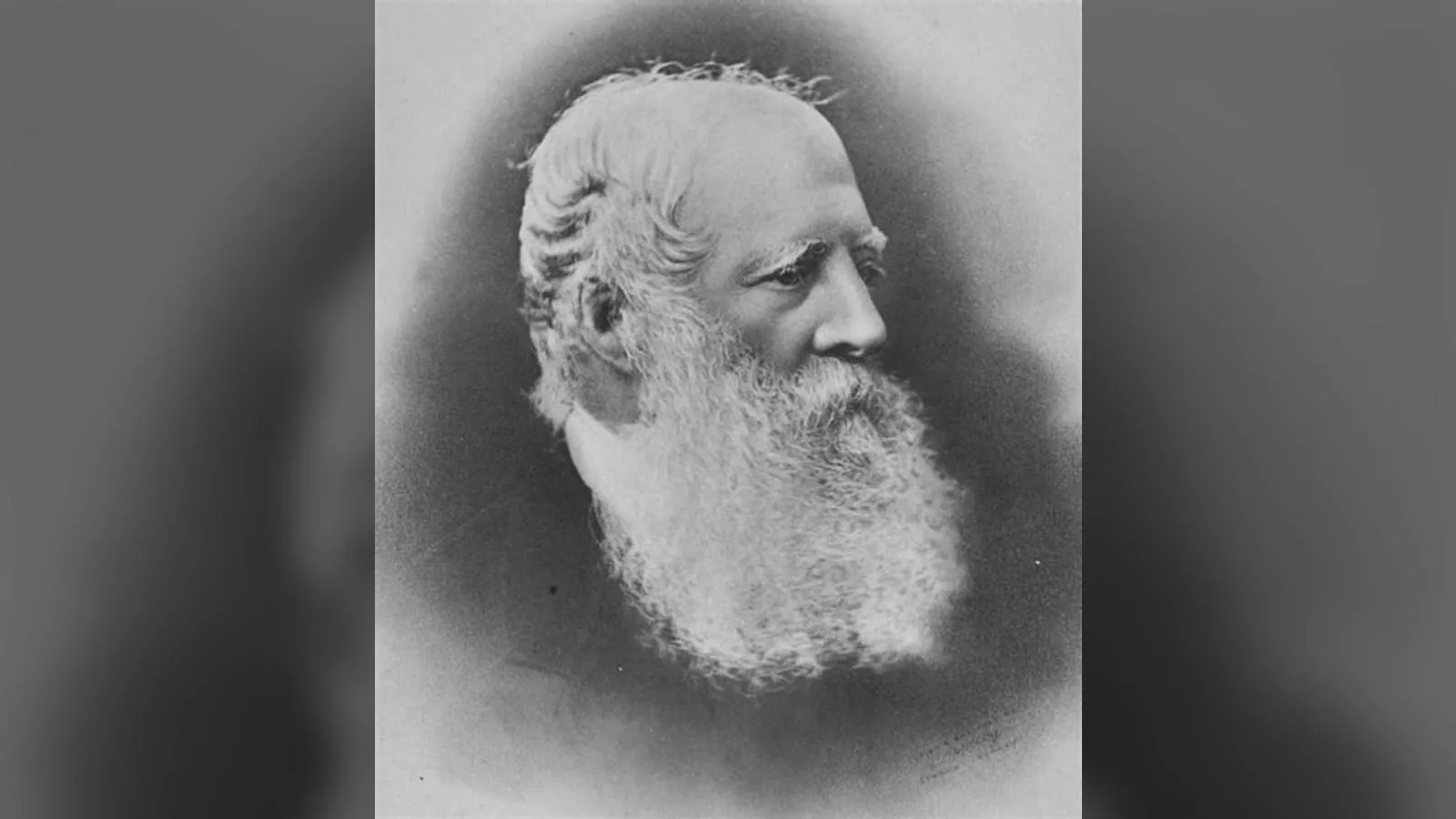
The Reverend William Branwhite Clarke (1798–1878) was born on this day, 2 June 1798. An English geologist and preacher, he devoted himself with zeal to the geology of his adopted country, with results that have been of paramount importance to the nation.
A scientist drawn to a new land
In 1839, after a severe illness, Clarke left England for New South Wales, chiefly in the hope that the long sea voyage would restore his health. He had been commissioned by some of his English colleagues to ascertain the extent and character of the carboniferous formation in the colony. He remained in Australia and came to be regarded as the Father of Australian Geology.
His devotion to the geology of the land led him, in 1841, to find specimens of gold. Gold would eventually be discovered in all the mainland states of Australia, as well as Tasmania. The largest find was made at Hill End, New South Wales — a nugget weighing 234 kilograms, with a gold content of 93 kilograms, unearthed in 1872.
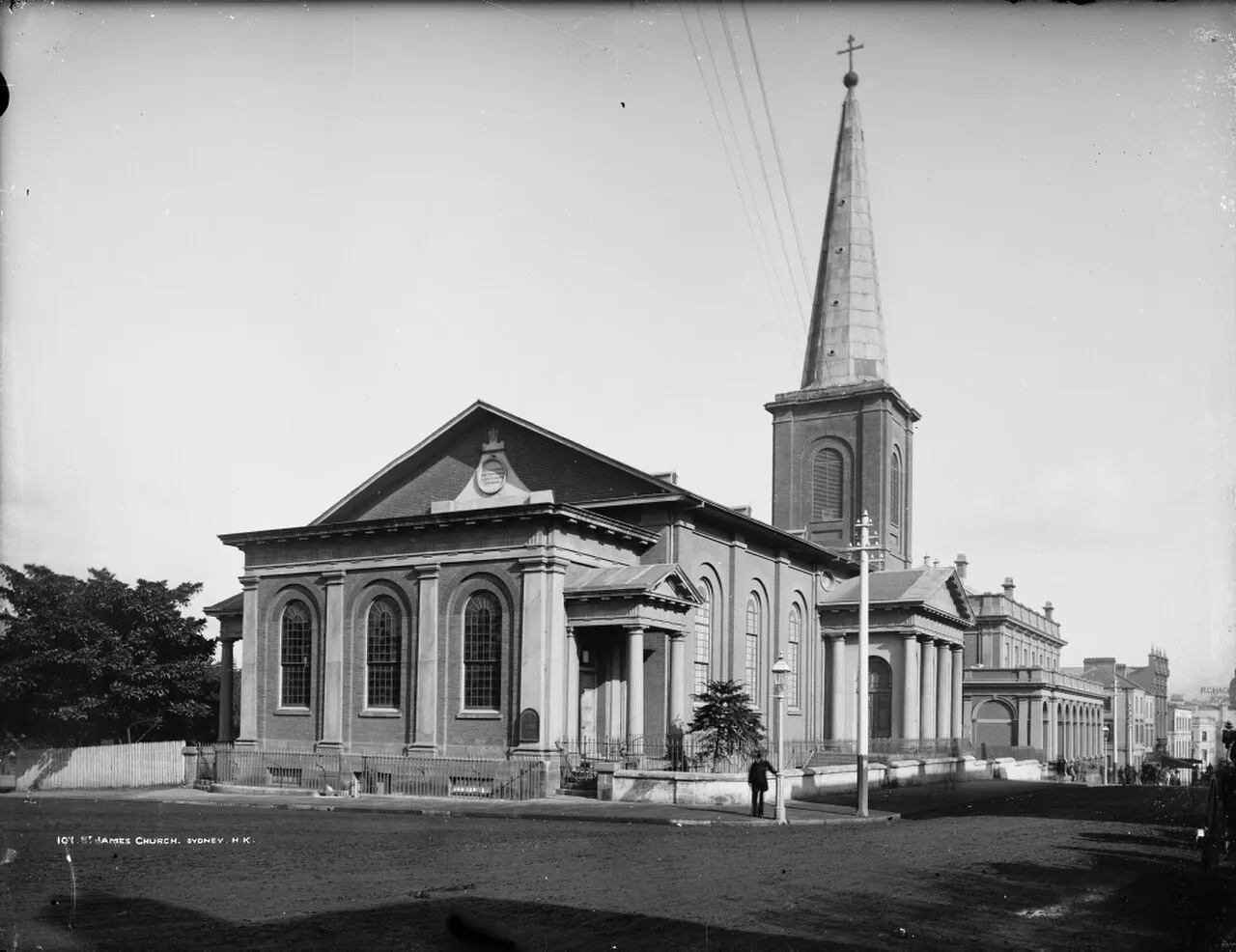
When Edward Hargraves announced a goldfield at Ophir, New South Wales, in 1851, Clarke acted as the government’s scientific adviser. He served as a geological surveyor from September 1851 to July 1853, carrying church ministrations to the diggings and to other outlying parts of the colony. Until 1870 he ministered in parishes from Parramatta to the Hawkesbury River, Campbelltown, and finally Willoughby. He had also served as principal of The King’s School from 1839 to 1840.
The rush for gold
Victoria became the richest state for gold. Huge numbers of immigrants poured into Australia to seek their fortune from the 1850s, and by the end of that decade some 40,000 Chinese diggers had arrived. In 1853 gold became Australia’s biggest export commodity, replacing wool. Other important minerals — silver, opal, diamond, copper and tin — were found throughout the mainland.
In addition to his reports and books, Clarke published some eighty scientific papers, and his geological maps formed the basis of the first geological sketch map of New South Wales, issued by the Department of Mines in 1880. His pioneering work on the stratigraphy of the colony laid foundations on which much later research has been built. Clarke’s valuable collection of Australian fossils and minerals, acquired by the government on his death, was tragically destroyed along with his scientific library in the Garden Palace fire of 1882.
The Stump Parson
Rev. Clarke became known as the “Stump Parson” — the preaching orator who went from goldfield to goldfield proclaiming the Word of God to all those in search of material riches, offering them instead the eternal riches of life through Jesus Christ.
William Clarke kept the main thing the main thing: to preach the Gospel to every creature. While the crowds searched for physical gold to enrich their lives, Clarke laboured to make known the street of gold that all may walk upon in a relationship with Jesus Christ. The riches of heaven — eternal life — were the focus of his work, even as his hands turned over the rocks and fossils of a new continent.
A question of focus
What is our focus? Is it what God would have it be? What could be more precious than the gold of eternal life? Let us not lose sight of it. While we have the means to do so, let us go into the highways and byways and preach the Gospel of Jesus Christ.
“For the Son of man is come to seek and to save that which was lost.”
Luke 19:10
“I press toward the mark for the prize of the high calling of God in Christ Jesus.”
Philippians 3:14