Governor Gipps and the Myall Creek Massacre
The governor who staked his standing on the law of God — that all men, of every colour, are of one blood and equal before their Creator.
Written By
Editorial Team
“Master, which is the great commandment in the law? Jesus said unto him, Thou shalt love the Lord thy God with all thy heart… and the second is like unto it, Thou shalt love thy neighbour as thyself.”
Matthew 22:36–39
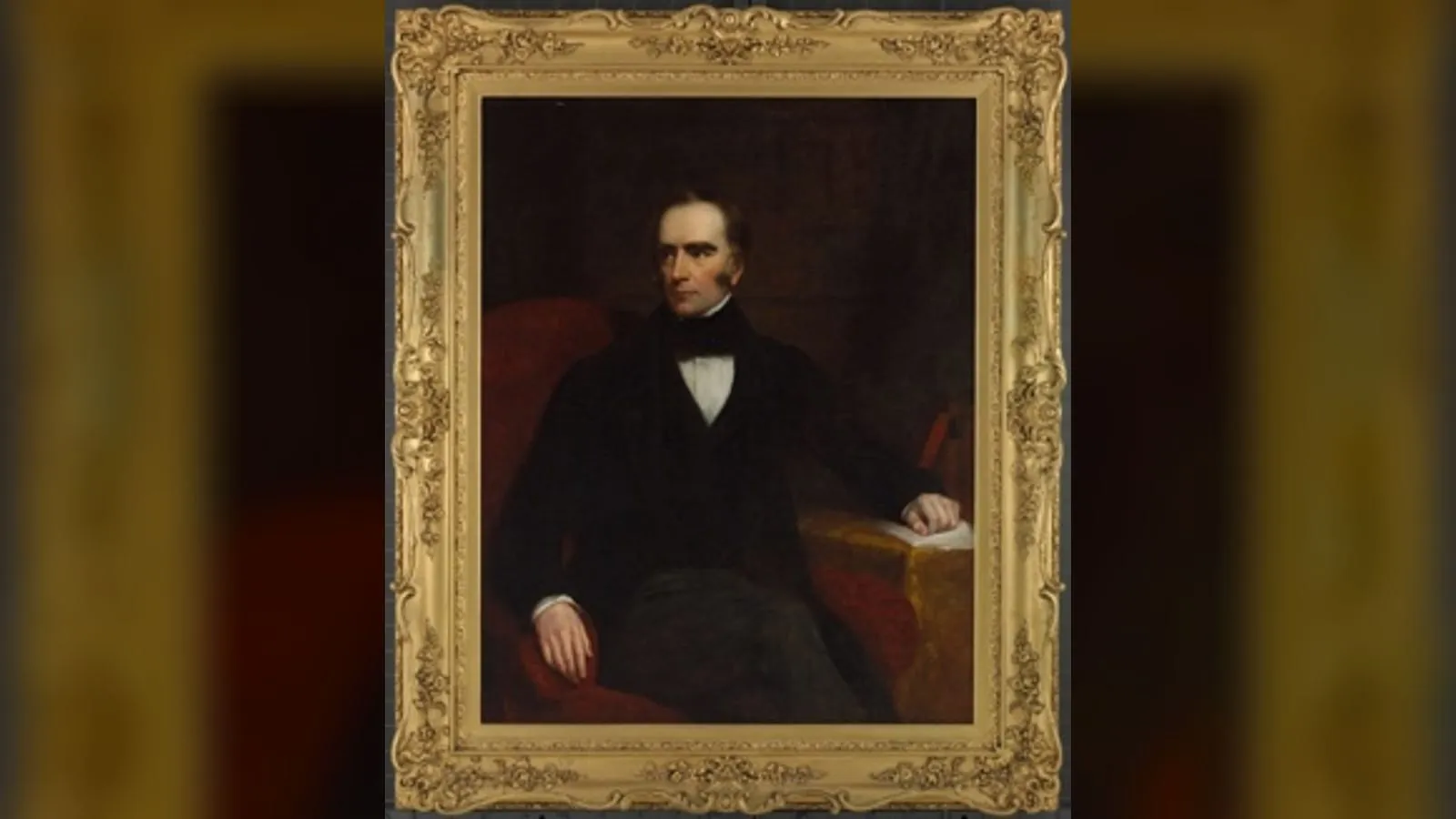
Sir George Gipps (1791–1847) governed the colony of New South Wales with impartiality. His passion was to extend equality to all men: Protestant and Roman Catholic, emancipist and squatter, immigrant and Aborigine.
A governor of conviction
Gipps urged the colonists to treat the Aboriginal people humanely, as fellow human beings sharing the same Creator. He believed they deserved special respect and protection as the original inhabitants of the land.
Yet his policy toward the Aborigines proved no more successful than his policy on education. Gipps struggled to find any solution that would satisfy all parties. Killings and abuse were common. Many argued that the Aboriginal people were subhuman — “mere monkeys.” Colonial practice differed sharply from official policy, which held that they were British subjects, protected by the same British law and justice as the colonists.
His attempts to create a “Protectorate” were thwarted by inadequate finances and the prevailing settler philosophy that “the only good Aborigine was a dead one.”
One of the blackest stains
Such outrages culminated in the murder of twenty-eight innocent and friendly Aboriginal men, women and children on 10 June 1838. This became known as the Myall Creek Massacre — “one of the blackest stains that ever disgraced the pages of British history.”
When Chief Justice Dowling acquitted the seven white men involved, Governor Gipps refused to let the matter rest. He demanded a retrial, this time before Sir William Burton. All were found guilty of capital murder and condemned to be hanged. In sentencing the men, Judge Burton reminded them:
“You have been found guilty of the murder of men, women and children, and the law of the land says, whoever is guilty of murder shall suffer death. This is not a law of mere human convenience which may be adopted or rejected at pleasure according to the conventional usages of society, but it is founded on the law of God, given at the earliest period of Scripture history, when there were only a few people on the face of the earth. I cannot expect that any words of mine can reach those hardened hearts, but I hope that the love of God may reach them.”
Standing his ground
Despite many public protests, all seven were hanged. Atrocities continued, and the press were relentless in their savage criticism of Gipps. The heart of the matter, according to James Stephen of the Colonial Office, was “the hatred with which the white man regards the black.”
Governor Gipps stood his ground upon that which was lawfully correct and in accord with the eternal biblical principles he believed and lived by. God sums up all the commandments in two: love God, and love your neighbour. God loves the whole world, no matter a person’s skin colour or station in life. We are all of one blood, created by God for His glory.
Love for all
Gipps practised this principle in taking a stand for justice for all peoples. May we do likewise, reflecting God’s love for all in our love for all. For God so loved the world; we, in turn, should love every person in it. This becomes possible when we love God as we ought — for then we will love one another, as we are commanded.
“And the second is like, namely this, Thou shalt love thy neighbour as thyself. There is none other commandment greater than these.”
Mark 12:31