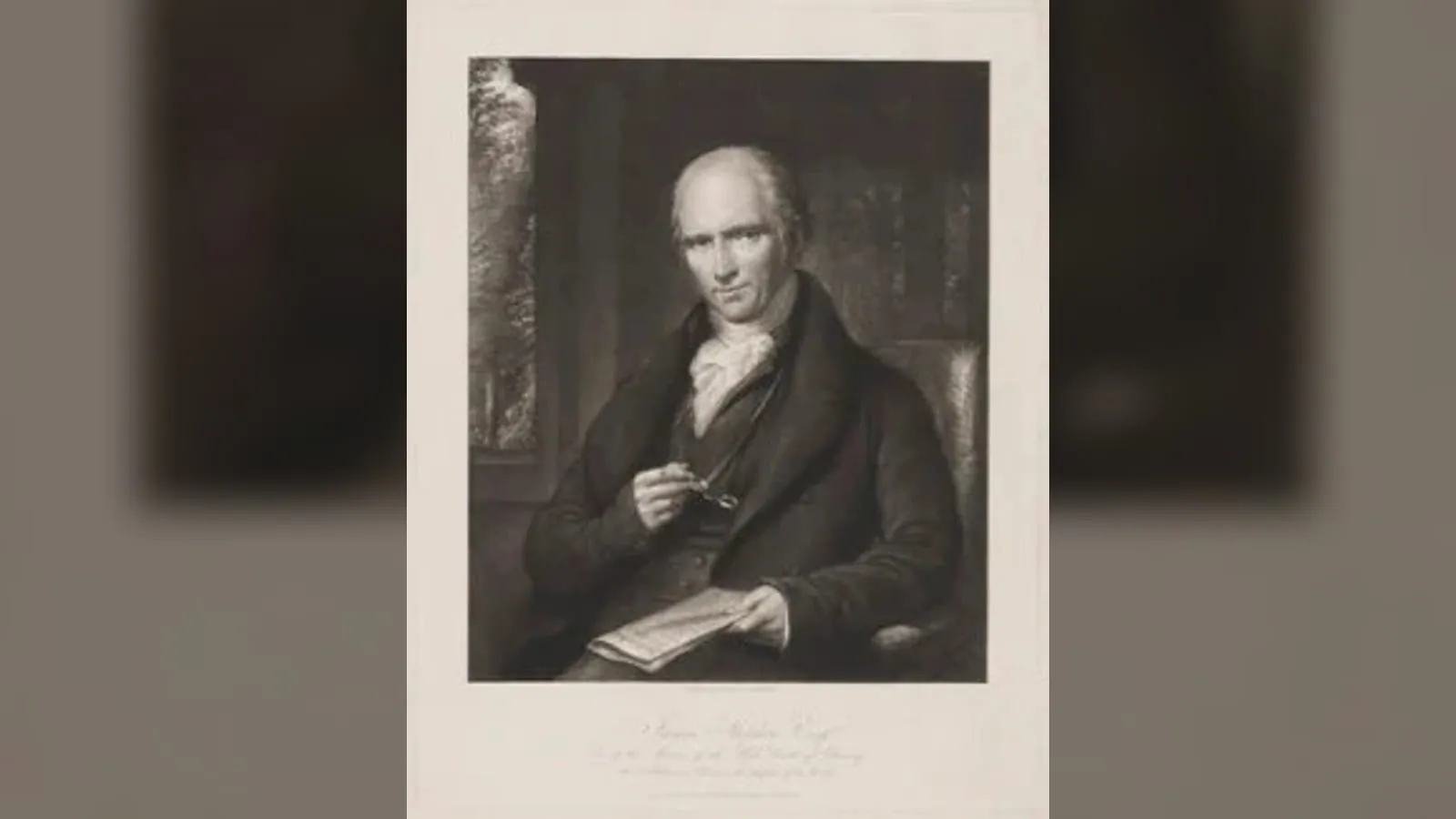
Sir James Stephen
The Christian Statesman of the Colonial Office
I desire this nation to be a Christian, virtuous, enlightened state in the centre of the eastern hemisphere, and within reach of the Chinese, Hindu and Islamic nations.
Sir James Stephen was born on 3 January 1789 in London. His father was a close friend of William Wilberforce, and like Wilberforce he belonged to that company of evangelical Christians known as the Clapham Sect — to whose ideals the younger James gave lifelong loyalty. He was raised in a godly home which held “that the religion of Jesus Christ afforded the only plausible solution to the great mysteries of human life” (John 14:6).
Within our national history there were men who believed that God had a special purpose in the Christian settlement of Australia. James Stephen, the Permanent Under-Secretary of the Colonial Office, was foremost among them.
The hand behind the colonies
In 1834 Stephen was appointed assistant under-secretary in the Colonial Office, and in 1836 permanent under-secretary, holding the post until his retirement in 1847. The distinction of his office mattered. Lord Sydney, as Home Secretary, had given political direction when New South Wales was created — a minister making ministerial decisions. The Permanent Under-Secretary, by contrast, was the senior career civil servant: the man who managed the department’s administration, its continuity, and the implementation of policy. Stephen’s position was the living link between England and the new colony.
It was not a glamorous post. The House of Commons showed only “fitful and fractious interest” in colonial affairs, and the office held little attraction for ambitious politicians. Yet from that unregarded desk Stephen shaped the character of a continent.
In 1834 the British Parliament enacted the South Australian Colonization Act, authorising a settlement of free colonists — including territory that had previously formed part of New South Wales. South Australia was finally settled as a Christian colony, proclaimed on 28 December 1836. Stephen was very influential in the selection of its Christian leadership (Acts 6:3), and he actively encouraged Christian families to settle in Australia, “believing that the government of men should conform to the government of God” (Romans 13:1–7).
Not by might, nor by power
Stephen held that “prayer and God’s Holy Word, rather than railways and steam engines, were the inexhaustible, unfathomable source of all pure consolation and spiritual strength.” His life-text might well have been the word of the Lord to Zerubbabel:
Then he answered and spake unto me, saying, This is the word of the LORD unto Zerubbabel, saying, Not by might, nor by power, but by my spirit, saith the LORD of hosts.
Zechariah 4:6
This man of God understood where enduring power comes from — from God, and from a consistent relationship with Him. All of us at times can be guilty of trusting in the arm of the flesh rather than in the power of God. In establishing a new colony for the British Empire, James Stephen understood the need for the power of God. As the Lord Jesus said, “I am the vine, ye are the branches… without me ye can do nothing” (John 15:5).
God used individuals like James Stephen to set the direction of our nation with Christian values. As David understood his need of God’s power in facing Goliath (1 Samuel 17:45, 50–51), so Stephen understood that the work of building a righteous nation was, first and last, the Lord’s.
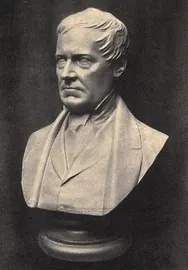
A commemorative bust of Sir James Stephen, the career civil servant whom contemporaries called 'Mr Mother-Country' for the quiet, decisive hand he held over Britain's colonies for more than a decade.
Timeline of Life
- 1789Born in London, 3 January
- 1834Appointed assistant under-secretary in the Colonial Office
- 1836Appointed permanent under-secretary; South Australia proclaimed a free Christian colony, 28 December
- 1847Retires from the Colonial Office
- 1859Dies, aged 70
More Profiles
View All
Thomas Arndell
1753–1821
A First Fleet assistant surgeon who became a magistrate, farmer and devout layman of the Hawkesbury — Thomas Arndell opened his home to the settlers who founded Ebenezer, the oldest surviving church in Australia.
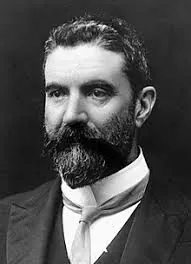
Alfred Deakin
1856–1919
A Father of Federation and Australia's second Prime Minister, Alfred Deakin was a devout Christian whose spiritual life profoundly shaped his public service and his vision for a unified Australia.
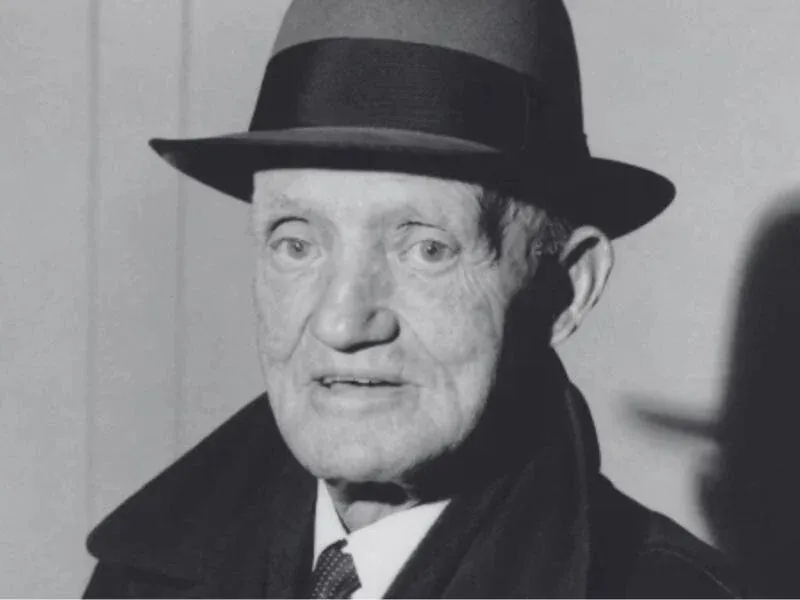
Arthur Malcolm Stace
1885–1967
Once a destitute alcoholic and petty criminal, Arthur Stace was transformed by the gospel and spent 35 years writing one word — 'Eternity' — across the pavements of Sydney, an estimated half a million times.